Best Places to Visit in Azerbaijan: 12 Destinations You Should Not Miss
Table of Contents
- 1.Baku: Where Ancient Meets Futuristic
- 2.Gobustan: Prehistoric Rock Art and Mud Volcanoes
- 3.Sheki: The Silk Road Jewel
- 4.Zaqatala: The Hidden Mountain Paradise
- 5.Gabala: Adventure in the Mountains
- 6.Lahij: The Living Museum
- 7.Khinalig: One of the World's Oldest Villages
- 8.Lankaran and the South: Subtropical Surprises
- 9.Shamakhi: Wine, Fire, and History
- 10.Nakhchivan: The Autonomous Enclave
- 11.Quba and the Red Village
- 12.Practical Tips for Traveling Around Azerbaijan
Key Takeaways
- -Baku: Where Ancient Meets Futuristic
- -Gobustan: Prehistoric Rock Art and Mud Volcanoes
- -Sheki: The Silk Road Jewel
- -Zaqatala: The Hidden Mountain Paradise
- -Gabala: Adventure in the Mountains
Why Azerbaijan?
Sitting at the crossroads of Europe and Asia, Azerbaijan is one of the most surprising travel destinations in the world. Ancient fire temples, futuristic architecture, mountain villages untouched by time, and some of the warmest hospitality you will find anywhere. Whether you are drawn to history, nature, or food, this country delivers on all fronts.
Baku: Where Ancient Meets Futuristic
The capital city of Baku is a place of striking contrasts. The medieval walled Old City (Icheri Sheher), a UNESCO World Heritage Site, sits just minutes from the iconic Flame Towers that light up the skyline every night. Walking through Baku feels like moving between centuries in a matter of steps.
Do not miss the Maiden Tower, the Palace of the Shirvanshahs, and the modern masterpiece that is the Heydar Aliyev Center designed by Zaha Hadid. The Baku Boulevard along the Caspian Sea is perfect for evening walks, and the local restaurant scene has exploded in recent years with everything from traditional Azerbaijani cuisine to international fine dining.
- Icheri Sheher (Old City) with its narrow stone streets and ancient caravanserais
- Flame Towers and the panoramic view from Highland Park
- Heydar Aliyev Center for architecture and cultural exhibitions
- Baku Boulevard for a sunset walk along the Caspian Sea
- Nizami Street for shopping, cafes, and people-watching
Gobustan: Prehistoric Rock Art and Mud Volcanoes
Just an hour south of Baku, Gobustan National Park is home to over 6,000 rock engravings dating back 40,000 years. These petroglyphs depict ancient hunting scenes, dances, and boats, offering a window into how people lived in this region thousands of years ago. The site is a UNESCO World Heritage Site and one of the most important archaeological locations in the Caucasus.
Nearby, you will find Azerbaijan's famous mud volcanoes. The country has more mud volcanoes than any other place on Earth, and watching the thick mud bubble and gurgle from the ground is an otherworldly experience. The landscape here feels almost lunar, making it a photographer's dream.
Sheki: The Silk Road Jewel
Sheki is one of Azerbaijan's oldest and most beautiful cities, nestled in the foothills of the Greater Caucasus mountains. Once a major stop on the Silk Road, Sheki has a rich trading history that is still visible in its architecture and culture. The city was added to the UNESCO World Heritage List in 2019.
The star attraction is the Palace of Sheki Khans, an 18th-century masterpiece decorated with intricate stained glass (shebeke) windows made without a single nail or drop of glue. The technique is so rare that only a handful of craftsmen in the world still practice it. Beyond the palace, Sheki's old caravanserais have been beautifully restored, and the local bazaar is one of the best in the country for handmade crafts and regional sweets like Sheki halva.
- Palace of Sheki Khans with its stunning shebeke stained glass
- The restored Silk Road caravanserais
- Sheki halva and other traditional sweets at the local bazaar
- The Albanian church of Kish, dating back to the 1st century
- Trekking through the lush mountain forests surrounding the city
Zaqatala: The Hidden Mountain Paradise
If you want to escape the tourist trail entirely, Zaqatala is the place to go. Tucked away in the northwest corner of Azerbaijan, this region is covered in ancient forests, fed by crystal-clear rivers, and surrounded by some of the most dramatic mountain scenery in the Caucasus. It is one of the country's best-kept secrets.
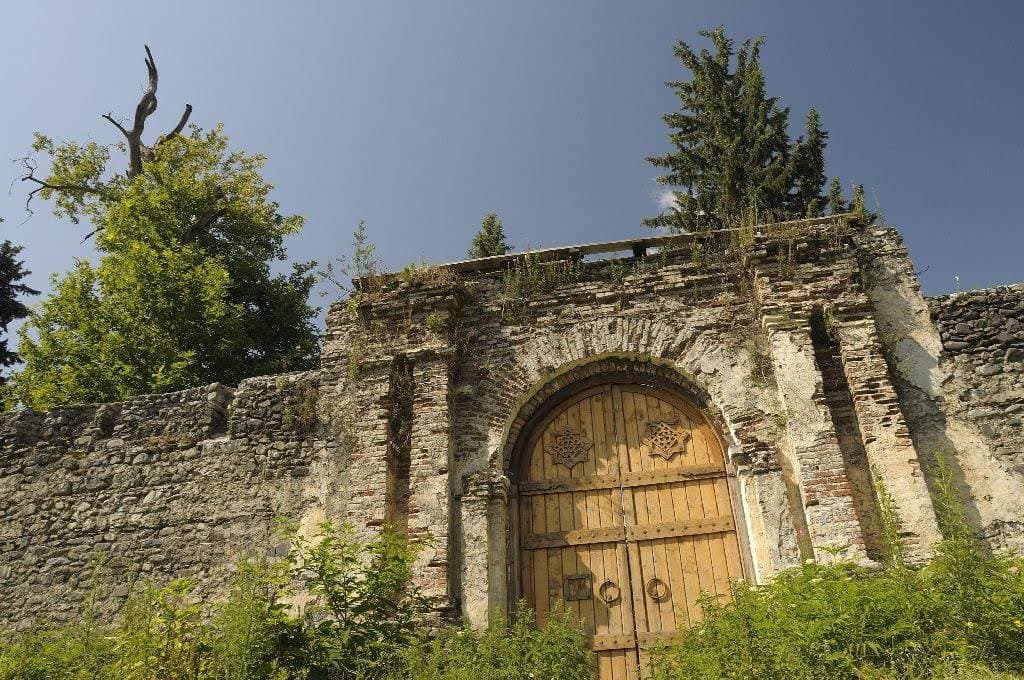
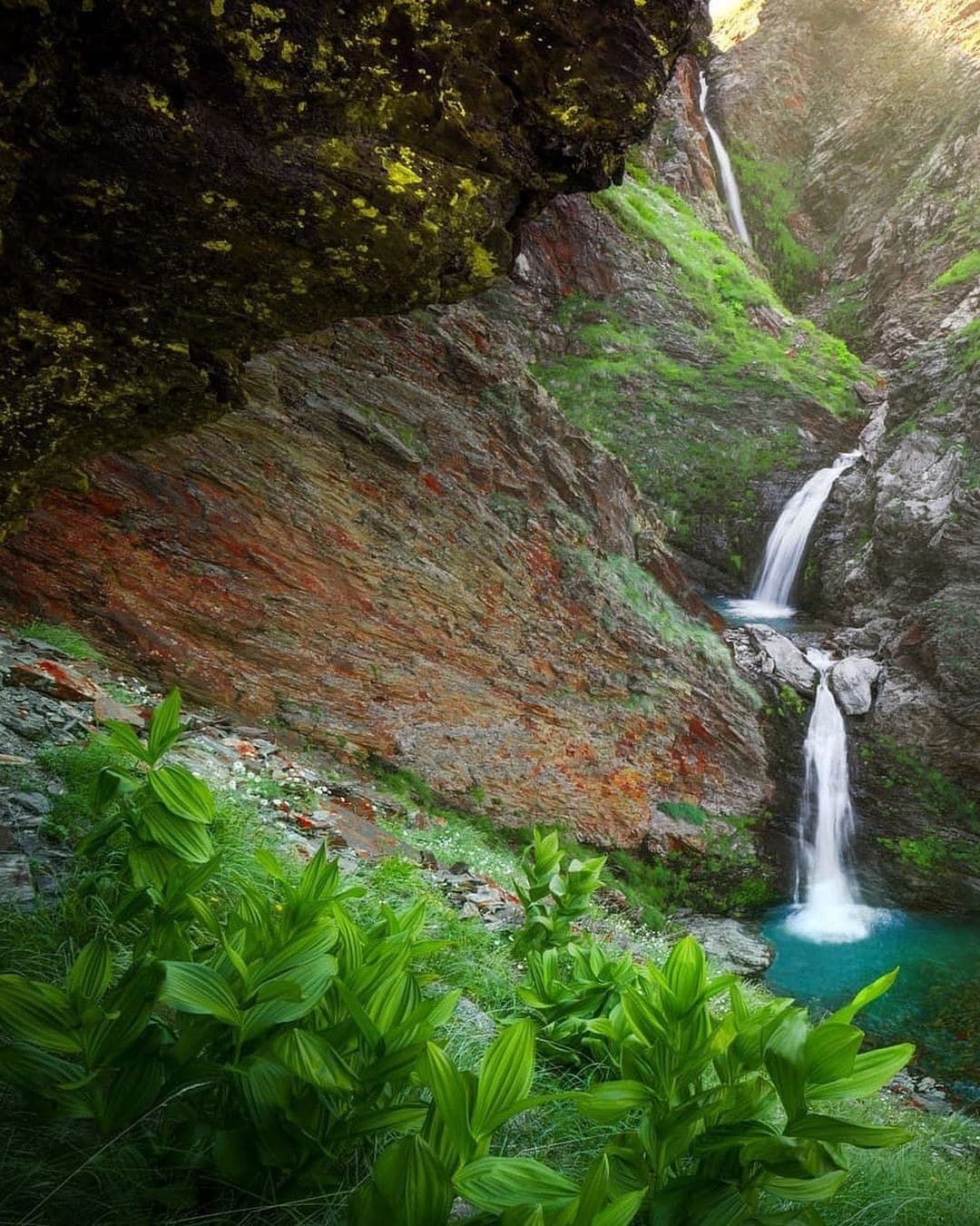
The town itself has a fascinating cultural mix, with Azerbaijani, Avar, and Georgian communities living side by side for centuries. The Zaqatala Fortress, built in the 19th century, stands in the heart of town and offers great views of the surrounding mountains. But the real draw here is nature: hiking trails through walnut and chestnut forests, hidden waterfalls like the towering Katekh Waterfall, and the peaceful shores of mountain lakes.
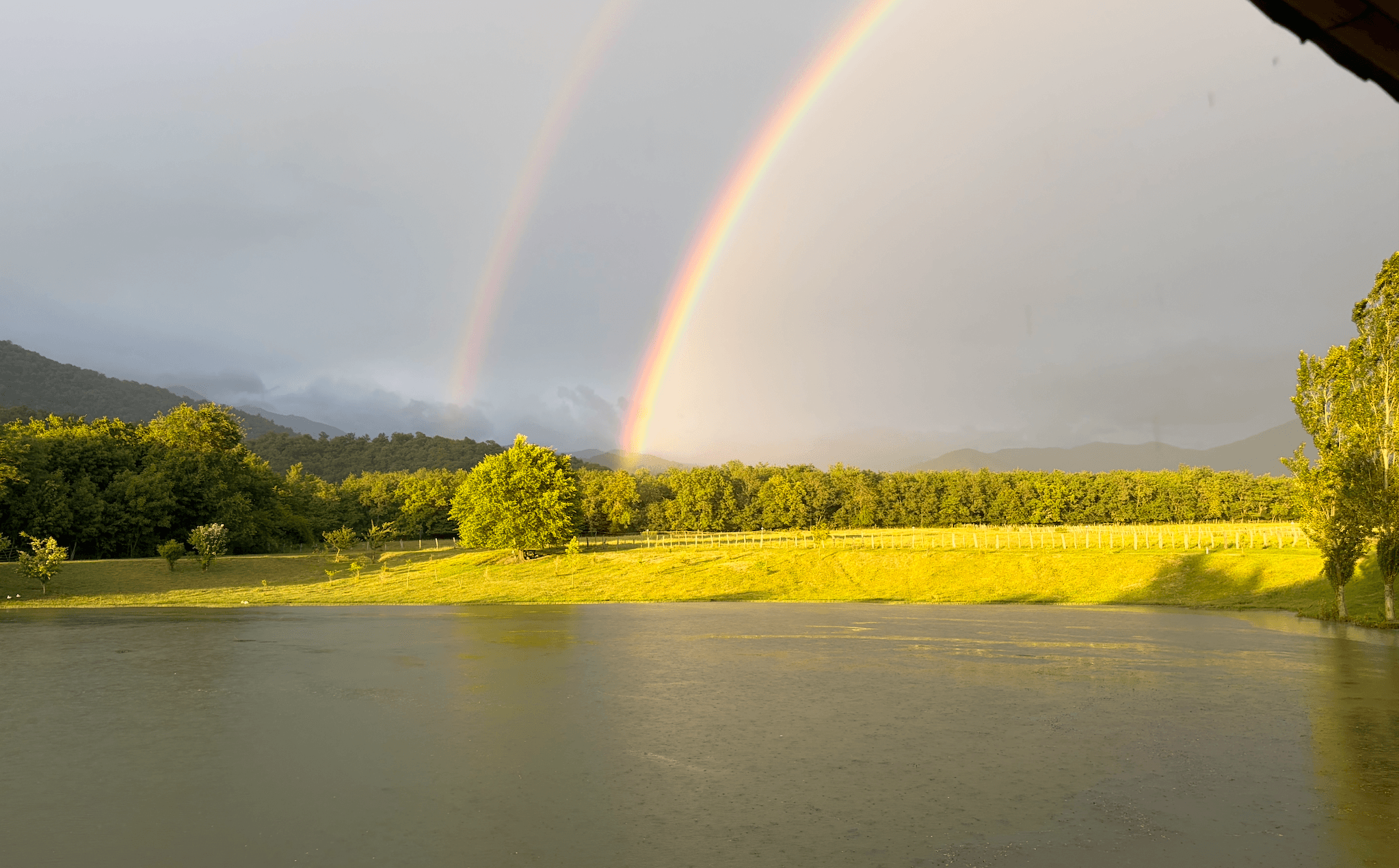
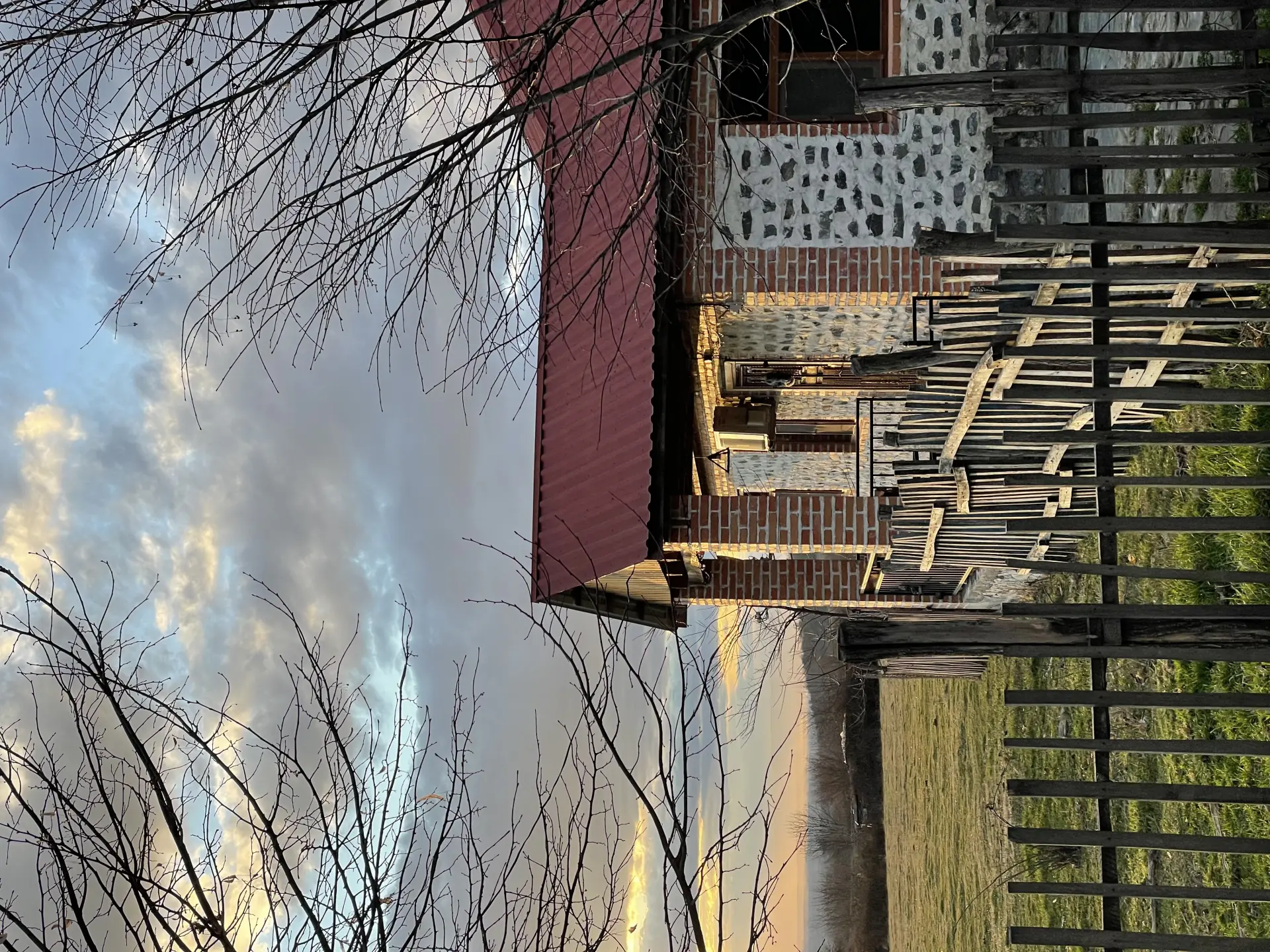
For accommodation, HopeLake is one of the top-rated guest houses in the region. Sitting right on the shore of a peaceful lake surrounded by mountains, it offers cozy houses with stunning views. Waking up to mist rising off the water with the Caucasus peaks in the background is the kind of experience that makes Zaqatala unforgettable.
- Zaqatala Fortress in the heart of town with panoramic mountain views
- Katekh Waterfall, one of the tallest in Azerbaijan at 65 meters
- HopeLake for lakeside accommodation surrounded by mountains
- Car village, an ancient Avar settlement with centuries of history
- Hiking trails through walnut and chestnut forests
- The local bazaar for fresh hazelnuts, honey, and dried fruits
Gabala: Adventure in the Mountains
Gabala has become one of Azerbaijan's top mountain destinations, and for good reason. The town sits at the base of the Caucasus range and offers a mix of adventure activities and natural beauty. The Tufandag Mountain Resort features a cable car that takes you up to breathtaking alpine views, and in winter it transforms into the country's premier ski destination.
In summer, Gabala is all about the outdoors: paragliding, horseback riding, and fishing in the nearby Nohur Lake. The area is also home to the ancient Albanian temple ruins and the beautiful Nohur Lake, which is surrounded by dense forest and makes for a perfect day trip. Gabala's clean mountain air and peaceful atmosphere make it a favorite weekend escape for locals.
Lahij: The Living Museum
Perched high in the mountains of Ismayilli district, the ancient village of Lahij feels like stepping back in time. This tiny settlement has been a center for coppersmithing for over a thousand years, and to this day, you can watch artisans hammering intricate designs into copper plates and pots using techniques passed down through generations.
The cobblestone streets of Lahij are lined with workshops where craftsmen sell their handmade goods directly. Beyond copper, the village is known for its leather work, knitted goods, and woodwork. The drive to Lahij through the mountain pass is an experience in itself, with dramatic switchbacks and stunning valley views.
Khinalig: One of the World's Oldest Villages
At an altitude of 2,350 meters, Khinalig (Xinaliq) is one of the highest and most remote permanently inhabited settlements in Europe. The village is believed to be over 5,000 years old, and its residents speak a language found nowhere else on Earth. The stone houses are stacked on the mountainside so that the roof of one serves as the courtyard of the one above.
Getting to Khinalig requires a drive through the stunning Quba district, passing through deep canyons and alpine meadows. The journey is part of the experience. Once there, the panoramic views of the Caucasus peaks are some of the most spectacular in Azerbaijan. A small ethnographic museum in the village tells the story of this remarkable community.
Lankaran and the South: Subtropical Surprises
The southern region around Lankaran has a completely different feel from the rest of Azerbaijan. Thanks to its subtropical climate, this area is lush and green year-round, known for its tea plantations, citrus orchards, and the beautiful Hirkan National Park where you can find the rare Caucasian leopard.
The Caspian coastline near Lankaran features quiet beaches and freshwater springs. The region's cuisine is distinct too, with dishes like lavangi (stuffed chicken or fish with walnut and pomegranate) that you will not find elsewhere in the country. The historic Lankaran Fortress and the nearby hot springs add to the appeal.
Shamakhi: Wine, Fire, and History
Once the capital of the powerful Shirvan dynasty, Shamakhi is rich with history and natural wonders. The Juma Mosque, one of the oldest in the Caucasus region, has been standing since the 8th century. But the real star of Shamakhi is Yanar Dag, the "Burning Mountain" where natural gas seeping through the rock creates a wall of flames that has been burning for decades.
Shamakhi has also emerged as Azerbaijan's wine region. Several vineyards have opened in recent years, offering tastings of local grape varieties that thrive in the region's unique microclimate. Pair a wine tour with a visit to the Diri Baba Mausoleum, a medieval tomb carved into a cliff face that looks like something from a fantasy novel.
Nakhchivan: The Autonomous Enclave
Separated from mainland Azerbaijan by a strip of Armenian territory, Nakhchivan is one of the most fascinating and least-visited regions in the country. This autonomous republic has some of Azerbaijan's oldest monuments, including the stunning Momine Khatun Mausoleum, a 12th-century tower decorated with the most intricate geometric brickwork you have ever seen.
Nakhchivan also has salt mines that have been used for therapeutic purposes for centuries, ancient cave dwellings in the Ashabi-Kahf complex, and the eerie beauty of the Batabat Lake high in the mountains. Reaching Nakhchivan requires a short flight from Baku, but the effort is rewarded with an experience few tourists ever have.
Quba and the Red Village
The town of Quba in northern Azerbaijan is the gateway to the high Caucasus and home to one of the country's most unique cultural sites: Qirmizi Gasaba (Red Village), one of the only all-Jewish towns outside of Israel. The mountain Jewish community here has lived alongside their Muslim neighbors for centuries, and the town features several synagogues and a fascinating local history.
Beyond the cultural significance, Quba is surrounded by apple orchards and thick forests. The Afurja Waterfall, a powerful cascade hidden in a mountain gorge, is one of the most impressive waterfalls in Azerbaijan. Quba also serves as the starting point for the road to Khinalig, making it a natural base for exploring the northern highlands.
Best for Nature Lovers
If mountains, forests, and fresh air are what you are after, these spots deliver.
- Zaqatala for ancient forests and hidden waterfalls
- Gabala for mountain adventures and alpine lakes
- Khinalig for high-altitude Caucasus panoramas
- Lahij for mountain village atmosphere
- Lankaran for subtropical forests and wildlife
Best for History and Culture
Thousands of years of civilization left their mark across every region.
- Baku's Old City (UNESCO World Heritage)
- Sheki's Silk Road heritage and Khan Palace
- Gobustan's 40,000-year-old rock engravings
- Nakhchivan's ancient mausoleums and cave sites
- Quba's Red Village and mountain Jewish heritage
Practical Tips for Traveling Around Azerbaijan
Getting around Azerbaijan is easier than you might expect. Domestic flights connect Baku to Nakhchivan and Lankaran. For everywhere else, the road network is solid and improving. Renting a car gives you the most flexibility, especially for mountain destinations. Shared taxis run between major cities and are affordable, though schedules can be unpredictable.
- Fly into Baku's Heydar Aliyev International Airport, which has connections across Europe and Asia
- Get an ASAN e-visa online before arrival if your nationality requires one
- Rent a car for mountain regions or book shared taxis between cities
- Carry cash outside Baku, as card payments can be limited in rural areas
- Learn a few Azerbaijani phrases as English is not widely spoken outside tourist areas
- Try local transportation apps like Bolt for getting around Baku
- Book mountain accommodations in advance during peak season (June to September)
Azerbaijan Trip Planning Checklist
Use this checklist to make sure your trip covers all the essentials.
Insider Tips from Locals
- -The best mountain weather is from June to early October, but spring (April to May) has fewer crowds and wildflowers everywhere
- -Friday is the busiest day at popular spots near Baku, so plan accordingly
- -Azerbaijani hospitality means you will likely be invited for tea, and it would be rude to refuse
- -Try the pomegranate season (October to November) in the south for a unique culinary experience
- -Local bazaars are always better than tourist shops for authentic goods and fair prices
- -Gas stations can be far apart in mountain regions, so fill up whenever you can
Frequently Asked Questions
What is the best time to visit Azerbaijan?
The best time to visit Azerbaijan is from April to June and September to October. Spring brings wildflowers and mild weather across the country, while autumn offers comfortable temperatures and stunning fall colors in the mountain regions. Summer (July to August) can be hot in Baku but is ideal for mountain destinations like Zaqatala and Gabala.
Is Azerbaijan safe for tourists?
Yes, Azerbaijan is considered very safe for tourists. The country has low crime rates, and locals are known for their hospitality. Standard travel precautions apply, but visitors consistently report feeling safe and welcome throughout the country.
How many days do I need to explore Azerbaijan?
A minimum of 7 to 10 days is recommended to see the highlights. Spend 2 to 3 days in Baku, then head north for Sheki, Zaqatala, and Gabala (3 to 4 days), and dedicate the remaining days to Gobustan, Lahij, or the southern regions. If you have only 5 days, focus on Baku plus one mountain destination.
Do I need a visa to visit Azerbaijan?
Most nationalities can obtain an e-visa (ASAN Visa) online within 3 working days. Citizens of some countries can get a visa on arrival at Baku airport. Check the official ASAN Visa portal for your specific nationality before traveling.
Where should I stay in the Zaqatala region?
For a lakeside retreat surrounded by mountains, HopeLake is one of the top-rated guest houses in the Zaqatala region. It offers cozy accommodation right by the lake with stunning mountain views, making it an ideal base for exploring the area.
Related Topics
Related Resources
Ready to Experience Azerbaijan?
Book your lakeside stay at HopeLake in Zaqatala and wake up to mountain views right by the water.